How to Prevent WhatsApp From Getting Banned
 Abhyank Srinet
Most businesses don’t get their WhatsApp accounts banned because they are doing something illegal. They get banned because they don’t fully understand how WhatsApp works behind the scenes. A team starts sending promotional messages. They try reaching out to more people. Maybe they use a bulk message tool. For a few days, everything feels normal. Replies come in. Conversations move forward. Sales look possible. And then one day — the account is suddenly blocked. Not because the business was fake. Not because the product was bad. But because certain messaging patterns triggered WhatsApp’s safety system.
This is the part no one explains clearly. Business owners focus on growth — more leads, more outreach, more conversations. But very few take time to understand message limits, opt-in rules, spam detection, and how user reports affect account health. The risk builds slowly. There are no big warning signs. No dashboard showing “danger ahead.” And when the ban happens, it stops everything at once — chats, follow-ups, customer conversations.
In this blog, we will explain in simple terms why WhatsApp accounts get banned, what actions increase your risk, and how to prevent WhatsApp from getting banned while still using it safely for business growth.
What Are the Most Common Reasons WhatsApp Accounts Get Banned?
When a WhatsApp account gets banned, most business owners feel confused. They think it must be a mistake. Or maybe someone reported them unfairly. Or maybe WhatsApp is just too strict. But in most cases, the reason is simple — certain messaging habits triggered the system.
WhatsApp does not ban accounts randomly. It watches behavior. If your messaging pattern looks risky, the system reacts automatically. Let’s look at the most common reasons why WhatsApp accounts get banned, and why many businesses don’t even realize they are at risk.
Sending Bulk Messages to People Who Don’t Know You
One of the biggest triggers is sending the same message to many people who have not saved your number. Even if your offer is genuine, recipients may see it as unwanted. When people don’t recognize your number, they are more likely to ignore, block, or report it. That quickly increases your risk of a WhatsApp bulk messaging ban.
Copy-Paste Marketing Messages
It feels efficient to copy and paste the same promotional message across many chats. But WhatsApp tracks repetition. When the same text is sent again and again in a short time, it starts looking like spam behavior. This can lead to a WhatsApp account ban or restriction.
Getting Blocked by Too Many Users
A few blocks are normal. Not everyone will be interested. But if many users block your number after receiving your messages, WhatsApp sees that as a warning sign. High block rates are one of the most common reasons why WhatsApp Business accounts get banned.
Too Many Reports
Reports are serious. When users tap “Report,” WhatsApp treats it as strong feedback that your message was unwanted. A high report rate can quickly damage your account health.
Sudden Increase in Message Volume
If you normally send a small number of messages and suddenly send hundreds in a few hours, the system flags it. Rapid message spikes are often linked to spam activity. Even genuine businesses can face temporary bans because of sudden volume increases.
Using Unofficial WhatsApp Versions
Some tools promise extra features by using modified versions of WhatsApp. These are risky. Using unofficial apps can lead to a permanent WhatsApp banned account situation. Staying on the official platform is always safer.
Aggressive Automation
Automation itself is not the problem. The problem is how it is used. Sending messages too fast, blasting cold lists, or ignoring user replies can trigger a WhatsApp automation ban. Structured and controlled messaging is very different from mass broadcasting.
Ignoring Consent
Messaging people without clear permission increases complaints. When users did not expect your message, they are more likely to block or report you. Cold outreach at scale is one of the fastest ways to face a WhatsApp account ban.
Very Low Reply Rate
If you keep sending messages but very few people reply, it signals low engagement. Over time, this pattern increases your risk. WhatsApp wants real conversations, not one-sided broadcasts.
Repeating Risky Behavior After a Warning
Sometimes WhatsApp gives a temporary restriction first. But if the behavior continues, it can lead to a permanent ban of the WhatsApp Business account. Ignoring early warnings is costly. Understanding these reasons is important. In the next section, we’ll focus on the practical part — how to prevent WhatsApp from getting banned while still using it safely for marketing and customer communication
To get more information, you can go into detail here: Common sales mistakes that reduce conversions
How to Prevent WhatsApp From Getting Banned

Preventing a WhatsApp account ban is not complicated, but it does require discipline. Over the years, most account bans we’ve seen have happened because businesses scale messaging without understanding platform behavior. WhatsApp is not built for mass advertising. It is built for conversations. The safest accounts are the ones that grow slowly, focus on real engagement, and respect user consent.
If you treat WhatsApp like a relationship channel instead of a broadcasting tool, your risk drops significantly. Below are the practices that experienced teams follow to protect their numbers long term.
Only Message People Who Expect to Hear From You
Consent is everything. When users have saved your number, filled out a form, or messaged you first, your account stays healthier. But when you start messaging cold lists or scraped numbers, block rates increase. And block rates are one of the strongest triggers behind WhatsApp business account-banning cases.
Always build your contact list through opt-in methods. Inbound leads are safer. Warm audiences are safer. Random outreach at scale is not.
Increase Message Volume Gradually
One of the most common mistakes businesses make is sending too many messages too fast. A number that suddenly jumps from 30 daily messages to 500 in one day looks suspicious to the system. WhatsApp monitors growth patterns, not just message count.
If you want to scale outreach, do it slowly. Increase volume step by step. Keep natural conversations running. Gradual growth signals normal business activity, while sudden spikes often trigger a WhatsApp account ban.
Avoid Mass Copy-Paste Campaigns
Sending the exact same promotional message across hundreds of chats may feel efficient, but it reduces engagement and increases complaints. Repetitive content is easy for spam detection systems to identify.
Instead, segment your audience. Send smaller batches. Adjust messaging based on user intent. Accounts that personalize and pace their communication rarely face a WhatsApp bulk messaging ban.
Protect Your Engagement Rate
WhatsApp looks at how people respond to your messages. If many users ignore, block, or report your number, your account health weakens over time. On the other hand, accounts that generate replies, questions, and back-and-forth chats build stronger trust signals.
Encourage interaction. Ask simple follow-up questions. Keep conversations natural. High engagement protects your number better than high volume ever will.
Use Automation Responsibly
Automation is not the enemy. Poor automation is. Structured follow-ups that mirror human timing are generally safe. But blasting hundreds of messages in seconds, ignoring replies, or pushing cold lists can quickly lead to a WhatsApp automation ban.
Safe automation means controlled pacing, reply detection, and spaced follow-ups. It should feel like organized communication, not robotic outreach.
Watch Early Warning Signs
Before a permanent ban happens, there are usually signals. Rising block rates. More users saying “Stop messaging.” Lower reply rates. Temporary restrictions. These are early indicators that your messaging strategy needs adjustment.
Experienced teams monitor these signals closely. They reduce frequency, refine targeting, and clean their contact lists before the problem escalates into a full WhatsApp-banned-account situation.
Follow a Clear Follow-Up Structure
Random reminders can feel pushy. Structured follow-ups feel professional. For example, a Day 1 reminder, Day 3 check-in, and Day 7 final follow-up create consistency without overwhelming the user.
This approach protects your account while improving conversions. In practice, businesses that follow structured communication rarely experience serious platform restrictions.
Also read: Why WhatsApp Leads Go Cold
How to Send WhatsApp Messages Without Getting Banned
Many businesses think the only way to grow is by sending more messages. But on WhatsApp, growth does not come from volume. It comes from trust and engagement. The safest accounts are not the ones sending the most messages. They are the ones sending relevant messages to people who expect them. If you want to send WhatsApp messages without getting banned, you need to focus on how people react to your messages, not just how many you send.
Over time, we’ve seen that accounts that treat WhatsApp as a relationship tool stay safe. Accounts that treat it like a bulk advertising platform eventually face problems. The difference is simple — controlled communication versus aggressive outreach.
Start With Clear Consent
The safest message is the one that is expected. If someone has filled out a form, clicked on your ad, or messaged you first, the conversation is natural. But when you send promotional messages to cold numbers, block rates rise quickly. And high block rates are one of the strongest triggers behind a WhatsApp account ban.
Always build your contact list properly. Use opt-in forms, website chats, or inbound campaigns. Warm leads are not just better for conversions — they are safer for your account.
Increase Messaging Slowly and Consistently
One of the biggest mistakes businesses make is scaling too fast. A number that suddenly jumps from small daily conversations to mass outreach looks suspicious. WhatsApp monitors behavior patterns. Sudden spikes in activity are often linked to spam detection.
If you want to scale, do it step by step. Increase message volume gradually. Keep conversations active. Maintain normal daily interaction. Slow growth signals real business activity.
Avoid Mass Copy-Paste Campaigns
Sending the exact same message to hundreds of people reduces engagement and increases complaints. Even if your offer is good, repetitive messages feel promotional and impersonal. When users do not respond or start blocking your number, your account health weakens.
Instead, segment your audience. Send relevant messages to smaller groups. Adjust tone based on interest. Small personalization improves replies, and strong reply rates protect your number.
Focus on Two-Way Conversations
WhatsApp is built for chatting. If your account only sends messages and rarely receives replies, the system notices. Low engagement over time increases the risk of a WhatsApp bulk messaging ban.
Encourage simple replies. Ask short questions. Continue conversations naturally. Accounts with steady back-and-forth communication build stronger trust signals within the platform.
Use Automation With Discipline
Automation is not dangerous by itself. The problem starts when automation ignores human behavior. Tools that send messages too fast, blast cold lists, or continue messaging after users reply increase the risk of a WhatsApp automation ban.
Safe automation means controlled pacing, reply detection, and structured follow-ups. It should feel organized, not robotic. The goal is to support conversations, not replace them.
Watch for Early Warning Signs
Most bans do not happen without warning. Rising block rates, users asking to stop messages, lower reply percentages — these are signals. Experienced teams monitor these signs carefully. When complaints increase, they reduce frequency and clean their contact list.
Taking action early prevents escalation. Ignoring these signals often leads to a full WhatsApp ban situation later.
How to Send WhatsApp Messages Without Getting Banned
Most businesses don’t get banned because they are doing something illegal. They get banned because they send messages in a way that looks like spam. WhatsApp is not against marketing. It is against unwanted and aggressive messaging. If you want to send WhatsApp messages without getting banned, the focus should be on sending messages that people expect, respond to, and find useful.
The safest accounts are not the ones sending the most messages. They are the ones having real conversations. When your messages feel natural and relevant, your risk stays low.
Message Only to People Who Expect Your Message
The easiest way to stay safe is simple — message people who know you. If someone filled a form, replied to your ad, or messaged you first, it’s safe to continue the conversation. But sending messages to random numbers who don’t recognize you increases blocks and reports.
And blocks are dangerous. High block rates are one of the main reasons behind a WhatsApp account ban.
Build your contact list properly. Warm leads are always safer than cold lists.
Grow Your Message Volume Slowly
If your number usually sends 20–30 messages a day and suddenly jumps to 500, that looks suspicious. WhatsApp watches behavior patterns. Sudden spikes are often linked to spam.
If you want to increase outreach, do it slowly. Increase your numbers step by step. Keep conversations active. Slow growth looks natural. Fast blasting looks risky.
Avoid Sending the Same Message to Everyone
Copy-paste messages feel easy. But when hundreds of people receive the exact same text, it lowers engagement. People ignore it. Some block it. Some report it.
Instead, send smaller batches. Adjust your message slightly based on what the person asked for. Even small changes make it feel personal. Better replies mean better account health.
Keep Conversations Two-Way
WhatsApp is built for chatting, not broadcasting. If you send messages but nobody replies, the system notices. Low reply rates increase the risk of a WhatsApp bulk messaging ban over time.
Ask simple questions. Encourage replies. Keep the chat going. Accounts with regular back-and-forth conversations are much safer.
Use Automation Carefully
Automation can help with follow-ups. But it should not send hundreds of messages in seconds. It should not ignore when someone replies. And it should never blast cold lists.
Good automation feels organized. Bad automation feels robotic. When used carefully, automation is safe. When used aggressively, it can lead to a WhatsApp automation ban.
Pay Attention to Warning Signs
Most bans don’t happen suddenly. There are signals first. More people are blocking you. Fewer replies. Customers are asking you to stop messaging.
If you notice this, slow down. Reduce message volume. Clean your contact list. Adjust your approach. Acting early prevents bigger problems later.
How WhatsApp decides whether to ban your number
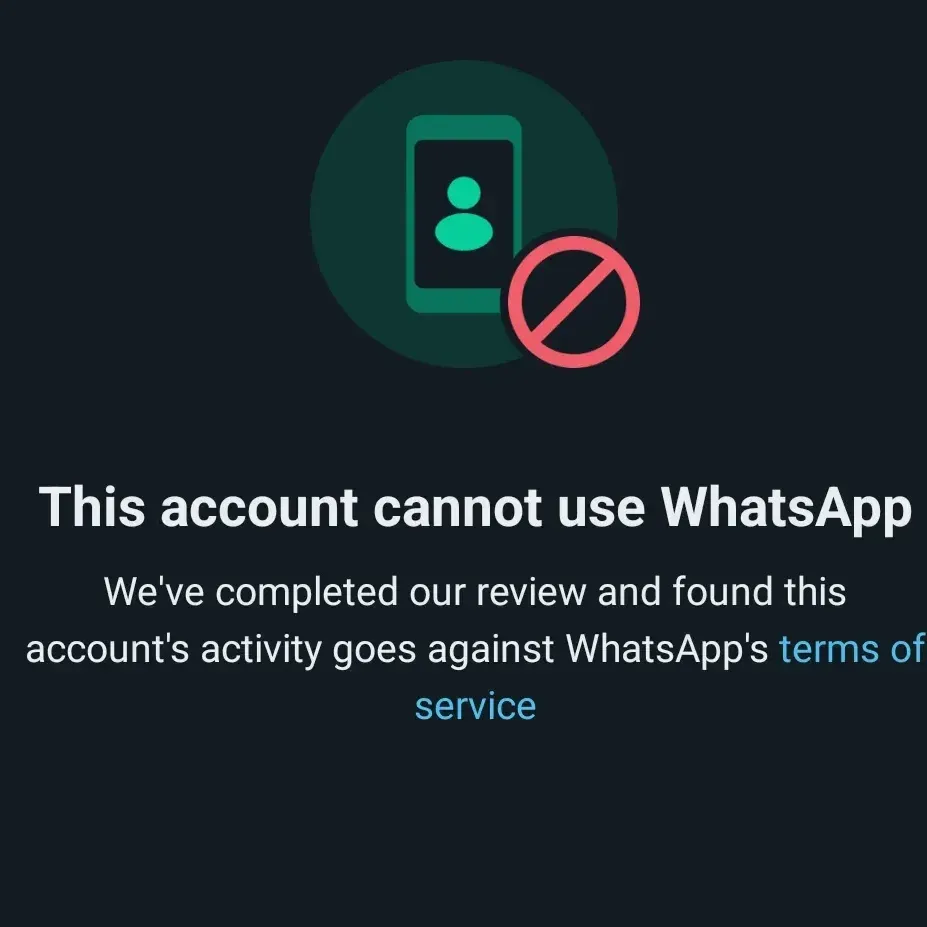
To reduce risk, you must understand how WhatsApp evaluates behavior. The platform does not judge your business goals. It only looks at signals. Every signal contributes to whether WhatsApp considers your account safe or unsafe. This understanding is the foundation for preventing WhatsApp ban issues.
User reports and block rates
The strongest signal is user feedback. When people:
Block your number
Report your message as spam
WhatsApp takes this seriously. Even a small number of reports can trigger restrictions, especially for new accounts. Keeping block rates low is one of the most effective ways to prevent a WhatsApp ban.
Message frequency and sudden spikes
Sending too many messages in a short time is risky. Sudden spikes, especially from new numbers, raise red flags.
For example:
Messaging 5 people daily, then suddenly messaging 200
Starting outreach immediately after creating a number
Gradual activity is safer and helps prevent WhatsApp ban signals.
Account age and early behavior
New WhatsApp numbers are watched more closely. Early aggressive behavior increases risk. The first few weeks are critical. Warm-up matters. Slow, natural usage patterns make it easier to prevent a WhatsApp ban early on.
Content patterns WhatsApp flags
Repeated text, identical links, or aggressive promotional language can look automated.
Variation, context, and human-like messaging reduce risk and support efforts to prevent a WhatsApp ban.
Common mistakes that increase WhatsApp ban risk
Most WhatsApp bans happen due to avoidable mistakes. These are not advanced errors. They are everyday actions done without understanding the platform rules.
Avoiding these mistakes is essential if your goal is to prevent a WhatsApp ban consistently.
Sending messages without user consent
Messaging people who never shared their number with you is risky. If users feel surprised or uncomfortable, they are more likely to block or report. Consent-based messaging is the safest way to prevent a WhatsApp ban.
Bulk messaging from personal WhatsApp numbers
Personal WhatsApp is designed for conversations, not mass outreach.
Using it for sales broadcasts increases complaint rates and makes it harder to prevent a WhatsApp ban, especially at scale.
Repeating the same message again and again
Copy-paste messages sent to many users are easy for systems to detect.
Even small variations help. Repetition without replies increases ban risk and reduces your ability to prevent WhatsApp ban.
Adding people to groups without permission
Unsolicited group adds are one of the fastest ways to get reported. This behavior directly harms your chances to prevent WhatsApp ban, regardless of intent.
Using unofficial tools or browser extensions
Third-party tools that simulate WhatsApp behavior violate platform rules. These tools may promise speed, but often lead to permanent bans. Avoiding them is critical to prevent a WhatsApp ban.
Also read: Why Choose WhatsApp Business API
What to Do If Your WhatsApp Account Is Already Banned
If your WhatsApp account is banned, don’t panic. In many real cases, bans happen because of messaging patterns — not because the business is fake. The first step is to understand whether it is a temporary restriction or a permanent ban. Acting too fast, using unofficial apps, or trying to “bypass” the system usually makes things worse. The right response is calm, structured, and corrective.
Think of a ban as a warning signal. It means something in your messaging strategy triggered WhatsApp’s safety system. The solution is not more outreach. The solution is smarter outreach.
If It Is a Temporary Ban
A temporary ban usually shows a timer inside the app. This often happens after sudden message spikes, high block rates, or aggressive automation. In most business cases, this is a system warning — not a final decision.
Wait for the timer to end. Do not reinstall apps or switch devices repeatedly. Once access is restored, reduce your message volume and stop bulk outreach immediately. Focus only on active chats and warm leads. Gradual and natural messaging helps rebuild account health and reduces the risk of escalation.
If It Is a Permanent Ban
If WhatsApp says your account is permanently banned, you will see an option to request a review. This is your official appeal process. Keep your message clear and honest. Explain that you are running a legitimate business and that you will follow platform policies moving forward.
From real industry cases, appeals sometimes work when violations were unintentional or minor. But repeated spam-like behavior usually results in permanent removal. If the appeal is rejected, the number cannot be recovered.
If You Need to Start With a New Number
If you must restart, do not repeat old mistakes. Most repeat bans happen because businesses restart with the same cold lists and same aggressive messaging habits.
Start slow. Warm up the number with real conversations. Avoid mass copy-paste campaigns. Do not send hundreds of messages on day one. Build engagement step by step. Businesses that shift to consent-based, paced messaging rarely face another WhatsApp account ban.
Also read: How to Automate WhatsApp Follow-Ups with Kraya.Ai
Conclusion
WhatsApp bans usually don’t happen because of one small mistake. They happen because of repeated patterns — sending too many messages too fast, messaging people who did not expect it, or ignoring warning signs like blocks and low replies. Most businesses that get banned are not doing anything illegal. They simply don’t understand how WhatsApp looks at behavior. The platform cares about user experience first, and when too many people feel annoyed or report messages, the system reacts.
The good news is that you can prevent this. Focus on permission-based messaging, grow your outreach slowly, keep conversations natural, and avoid aggressive bulk sending. Treat WhatsApp like a relationship channel, not a mass marketing tool. When your messages feel expected and useful, your risk stays low. Safe growth is not about sending more — it is about sending smarter.
Book a free demo of Kraya AI and see how a simple, structured WhatsApp follow-up system can help your team close more of the leads you’re already generating — without hiring more people or pushing harder.
Frequently Asked Questions

Written by


