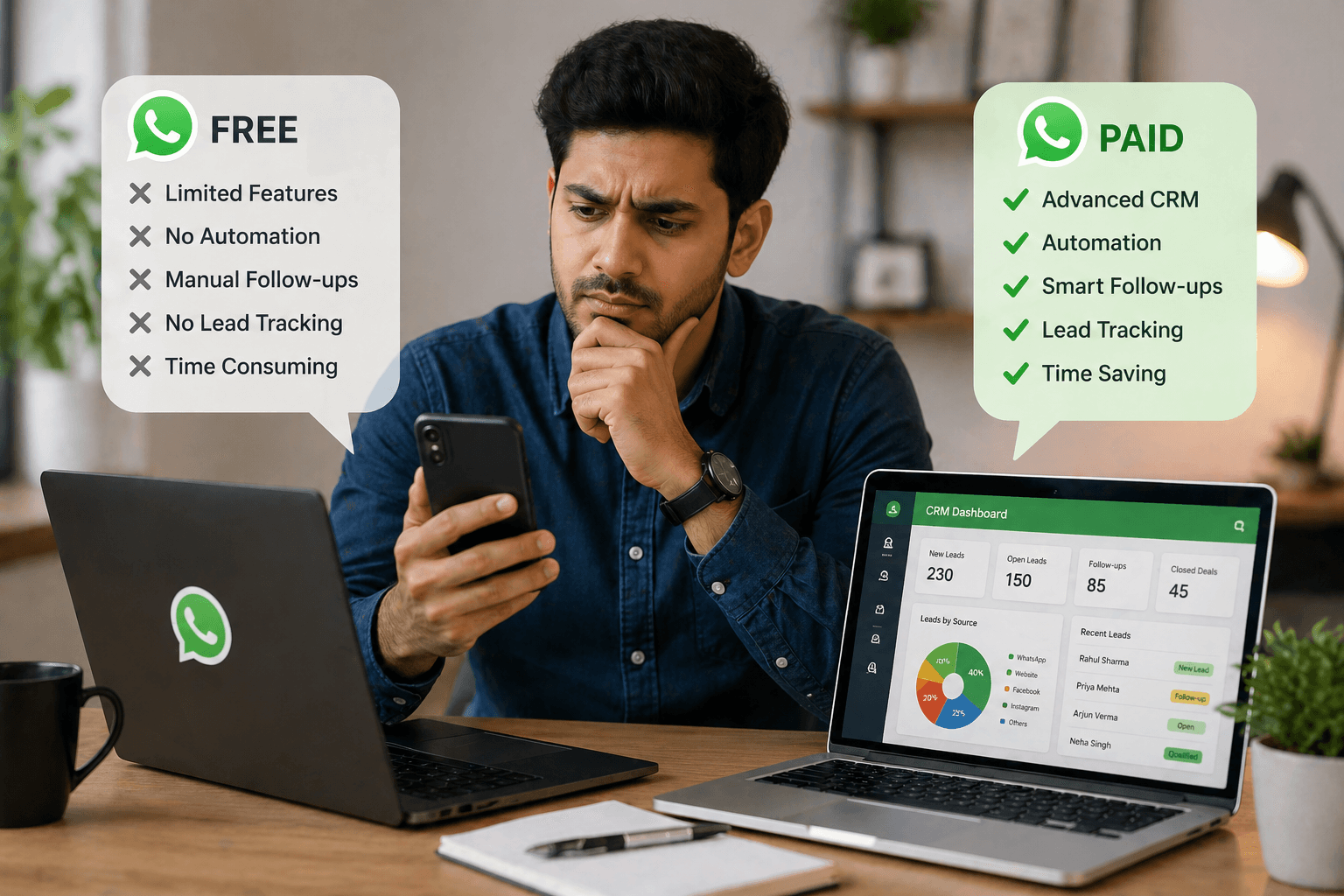
What Is a Lead Nurturing Sequence? Simple Guide for Service Businesses
 Abhyank Srinet
Most businesses don't lose sales because they lack leads. They lose sales because they stop the conversation too early. A potential customer sends a message asking for pricing, service details, or availability. The business replies once, maybe twice. Then the follow-up stops. The lead gets busy, compares other options, or simply forgets the conversation. Within a few days, the opportunity disappears.
"80% of sales require at least 5 touchpoints to convert. Most businesses stop after 1-2 attempts, leaving significant revenue on the table."
— HubSpot Sales Research
This happens more often than most teams realize. Many businesses follow up only once or twice, even though most customers need several interactions before making a decision. Without a clear follow-up system, even interested prospects slowly go cold. This is where a lead nurturing sequence becomes important. Instead of random replies or forgotten follow-ups, nurturing creates a structured conversation that builds trust and keeps the lead engaged over time.
In this guide, you'll learn what a lead nurturing sequence is, why response timing matters, and how to build a simple sequence that helps service businesses convert more leads into real customers.
What Is a Lead Nurturing Sequence?
A lead nurturing sequence is a structured series of messages sent to a potential customer over time to keep the conversation active and guide them toward a decision. Instead of sending one reply and waiting for the lead to come back, businesses follow a planned communication flow that builds trust and answers questions step by step.
Most customers do not make decisions immediately. They may need time to compare options, discuss with family or colleagues, or understand the service better. If a business stops following up after the first conversation, the lead often loses interest or chooses a competitor who stays in touch.
"According to LinkedIn, leads that are nurtured with relevant content show a 20% increase in sales opportunities compared to those receiving no nurturing communication."
— LinkedIn B2B Sales Strategy Report
This is why nurturing matters. A proper sequence keeps the relationship moving forward. Each message adds value, sharing helpful information, addressing common concerns, or showing real results from past clients.
In simple terms, a lead nurturing sequence is your sales follow-up process turned into a system. Instead of depending on memory or manual reminders, the sequence ensures every lead receives consistent follow-ups at the right time.
How Lead Nurturing Works in Practice
A typical nurturing sequence includes several touchpoints over a few days or weeks. The first message usually acknowledges the inquiry and asks a qualifying question. Later messages may share useful information, answer common doubts, or provide proof of results.
For example, a consultant receiving a new inquiry might send:
an instant reply confirming the request
a follow-up message with useful information
a message addressing common concerns
a case study or testimonial
a clear invitation to book a call or consultation
This structured approach keeps the conversation alive instead of letting the lead disappear after the first interaction.
Lead Nurturing vs Simple Follow-Ups
Many businesses believe they already nurture leads because they send one or two follow-up messages. In reality, those are sporadic follow-ups, not nurturing sequences.
| Aspect | Simple Follow-Up | Lead Nurturing Sequence |
|---|---|---|
| Structure | Random, ad-hoc messages | Planned with 5-7 touchpoints |
| Timing | Irregular, memory-dependent | Scheduled based on customer behavior |
| Content Focus | Sales-driven reminders | Value-driven, educational content |
| Consistency | Varies by sales person | Standardized across all leads |
| Conversion Rate | 15-25% (typical range) | 35-45% (optimized sequences) |
A nurturing sequence is different because it is:
planned rather than random
timed based on customer behavior
value-driven, not just sales reminders
consistent across every lead
When done correctly, nurturing turns scattered conversations into a predictable sales process.
Why Lead Nurturing Is Important in Sales
Many businesses believe that if someone shows interest, the sale will happen quickly. In reality, most customers need time before they decide. They may compare different options, check reviews, or simply get busy with other priorities. If the business stops communicating during this period, the lead slowly loses interest.
"According to research on WhatsApp-based sales in India, businesses that implement automated nurturing sequences see a 40% improvement in response rates and a 28% increase in conversion rates compared to manual follow-ups."
— Indian E-commerce and Digital Sales Survey 2024
This is why lead nurturing plays an important role in modern sales. Instead of waiting for the customer to return, nurturing keeps the conversation active. Each message reminds the lead about the service and helps them move closer to making a decision.
Another reason nurturing matters is that trust takes time to build. When people are choosing a service such as education consulting, real estate, or visa guidance, they want to feel confident before committing. Consistent communication helps build this trust. Helpful information, answers to common questions, and real examples of past success make the business appear more reliable.
Lead nurturing also solves a very common problem in sales teams. Follow ups are often forgotten. When the team is busy responding to new inquiries, older leads get ignored. Without a system, many potential customers simply disappear from the conversation.
A nurturing sequence prevents this from happening. It ensures that every lead receives timely communication and useful information. Instead of random messages, the business follows a clear process that guides the prospect from first inquiry to final decision.
For service businesses, this difference can be significant. Leads who receive consistent follow ups are far more likely to convert than leads who only receive one reply. Nurturing keeps the relationship alive long enough for trust to develop and for the customer to feel ready to move forward.
The 5 Minute Rule: Why Response Time Matters
Speed plays a major role in whether a lead converts or disappears. When someone sends a message asking about a service, they are usually comparing several options at the same time. The business that replies first often becomes the one they continue talking to.
"Companies that respond to leads within 5 minutes are 100 times more likely to convert them compared to those that wait 30 minutes or longer."
— Harvard Business Review Study on Sales Response Time
This is where the idea of the five-minute rule comes from. Leads who receive a quick reply are much more likely to stay engaged in the conversation. A fast response shows that the business is active, attentive, and ready to help.
Slow responses create the opposite impression. If a reply arrives hours later, the lead may already be talking to another provider or may have lost interest completely. Even a highly qualified prospect can disappear simply because the response came too late.
Quick responses also make the nurturing process easier. When the first reply arrives immediately, the conversation stays fresh in the customer's mind. It becomes easier to ask qualifying questions, understand their needs, and guide them through the next steps.
This is one reason many service businesses now rely on automated first responses. Automation ensures that every inquiry receives an immediate acknowledgement, even outside business hours. Once the conversation starts quickly, the nurturing sequence can continue with follow ups that build trust and move the lead closer to a decision. Using tools like Kraya AI can help automate these first responses and maintain nurturing consistency.
Also read: Why Sales Don't Convert Even With Good Leads
How to Build a Lead Nurturing Sequence (7 Step Framework)
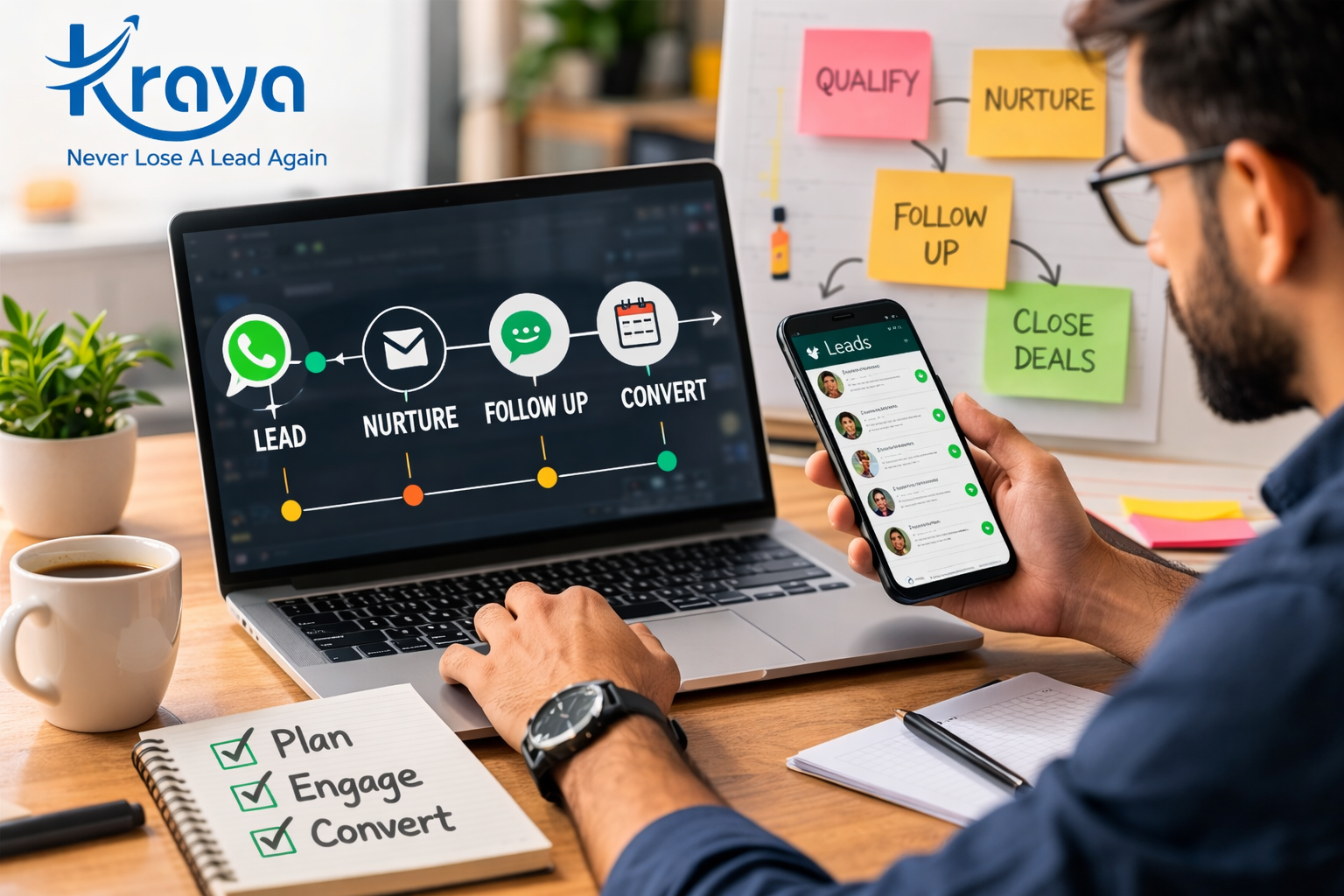
A lead nurturing sequence works best when it follows a clear structure. Each message should move the conversation forward and help the prospect feel more confident about making a decision.
Most successful sequences include about 5-7 touchpoints spread across 7-14 days. Each message has a specific purpose, from acknowledging the inquiry to helping the lead take the final step.
Here is a simple framework many service businesses use.
Step 1: Instant Acknowledgment
The first message should confirm that the inquiry was received. This message should arrive quickly—ideally within 5 minutes—so the lead knows someone is paying attention.
A short message works best. Thank them for reaching out and ask a simple question that keeps the conversation going. This helps start the qualification process immediately.
Step 2: Ask Qualifying Questions
Once the conversation begins, the next step is understanding the lead's situation. Asking the right questions helps you learn their timeline, goals, or specific needs. This should occur within 2-4 hours of initial contact.
For example, an education consultant might ask about the preferred intake or target universities. A real estate agent might ask about budget and location. These answers help place the lead into the correct nurturing path.
Step 3: Deliver Immediate Value
After learning about the lead's needs, send something helpful right away—within 24 hours. This could be useful information, a short guide, or insights related to their question.
Providing value early shows that the business is genuinely trying to help rather than simply pushing a sale.
Step 4: Address Common Concerns
Many prospects hesitate because they have doubts or unanswered questions. These concerns often repeat across different customers. Send this message 2-3 days after initial contact.
This step focuses on addressing those concerns proactively. For example, a consultant might explain timelines, pricing structure, or how the process works. When concerns are handled early, leads feel more comfortable continuing the conversation.
Step 5: Share Educational Content
At this stage—around day 4-5—the goal is to build trust. Educational content helps the prospect understand the process and make better decisions.
This could include tips, short explanations, or insights that help them evaluate their options. Even if the lead does not respond immediately, useful information keeps your business in their mind.
Step 6: Show Social Proof
By day 6-8, people feel more confident when they see results from others. Sharing testimonials, case studies, or success stories helps reinforce trust.
Make these examples specific and relatable. When prospects see similar people achieving results, it becomes easier for them to imagine the same outcome.
Step 7: Provide Clear Next Steps
The final step—typically on day 10-14—removes friction from the decision. Instead of leaving the conversation open ended, offer a simple next action.
For example, invite the lead to book a consultation, schedule a call, or request more details. A clear step helps the prospect move from interest to action. When leads don't respond to the initial sequence, a 2-3 message re-engagement flow can be deployed 7-10 days later.
A well-designed nurturing sequence turns scattered conversations into a predictable sales process. Service businesses using structured nurturing frameworks see measurable improvements in lead quality, response rates, and overall conversion performance.
Related: Automated Follow-Up Sequences: How to Build a Sales System That Closes More Deals
Related: Common Sales Mistakes That Reduce Conversions: Sales Mistakes That Make Leads Not Convert
Related: Lead Response Time: Why the First 5 Minutes Decide Your Sale
Related: Where Do Most Sales Conversations Break Down?
Related: What Is CRM? Meaning, Benefits, Types & How It Works for Growing Businesses
Related: How to Follow Up on WhatsApp Without Getting Blocked or Annoying Your Leads
```Frequently Asked Questions

Written by
Founder & CEO, Kraya AI
Abhyank Srinet is the Founder and CEO of Kraya AI, a WhatsApp CRM and sales automation platform serving 600+ Indian businesses. He is also the founder of MiM-Essay, one of India's largest Masters admissions consulting firms.
More from Abhyank