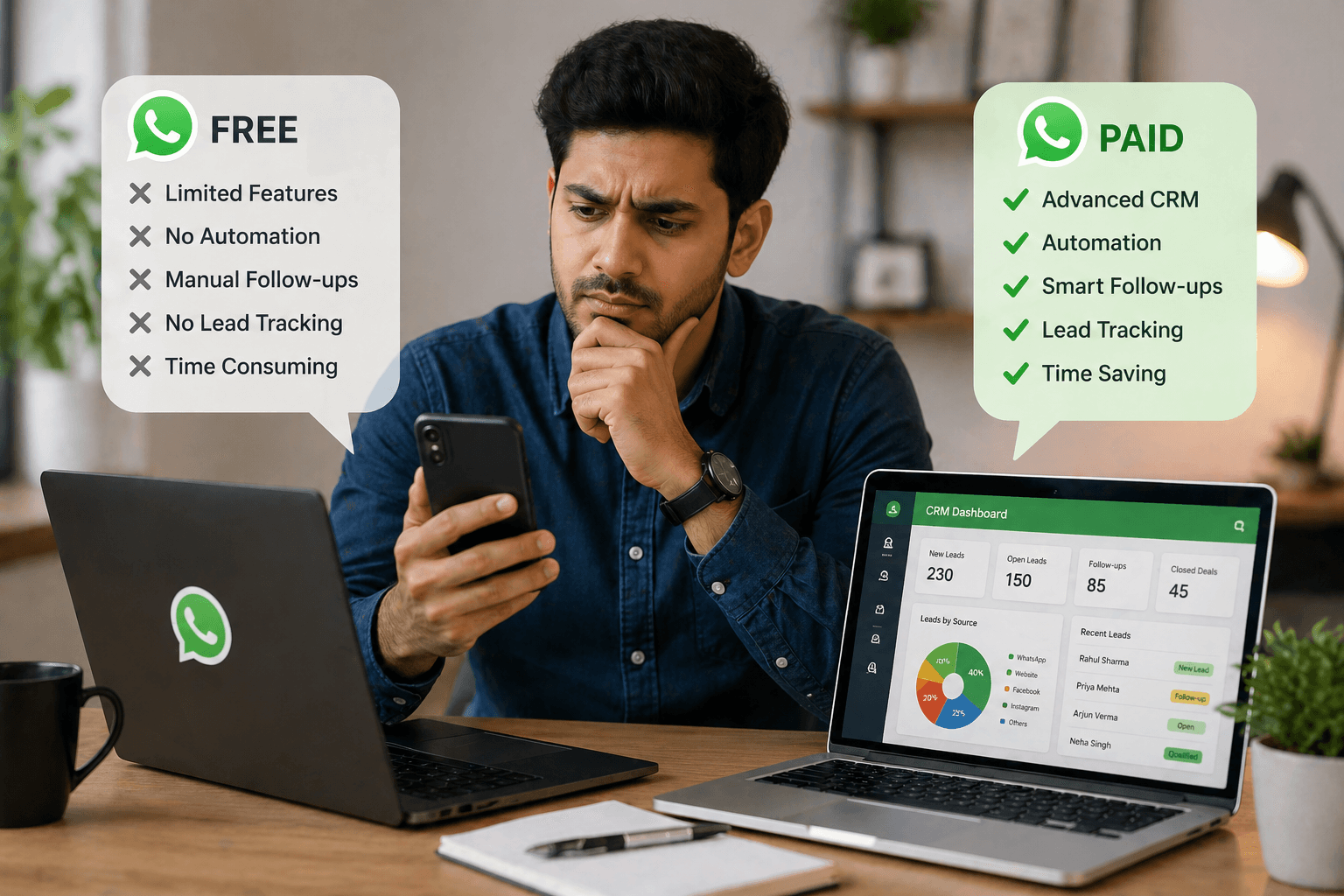
WhatsApp Broadcast vs Individual Message What Is the Difference and When to Use Each
 Abhyank Srinet
If you are running sales on WhatsApp, you are already dealing with two types of messages every day — sending messages to many people at once and replying to individual leads. Most business owners confuse these two and use them in the wrong situations. That is where conversations break, and leads stop responding.
Understanding WhatsApp broadcast vs individual message is not just about features. It is about knowing how buyers behave. When someone is just exploring, they react differently. When someone is already interested, they expect a completely different kind of conversation. If you don't match that expectation, you lose the lead even if your product is good.
| Feature | Broadcast Message | Individual Message |
|---|---|---|
| Visibility to recipient | Appears as direct message (not a group) | Regular 1-on-1 conversation |
| Reply handling | Replies come to your inbox privately | Replies in same chat thread |
| Contact limit | 256 per broadcast list | No limit |
| Best for | Announcements, offers, bulk updates | Personal conversations, follow-ups |
| Personalisation | Same message to all (can use name) | Fully personalised |
"78% of Indian B2B businesses report that personalized follow-up messages convert 3-5x better than broadcast messages sent to the same audience. The key difference? Individual messages show you listened to the specific inquiry."
— India WhatsApp B2B Sales Report 2024
What Is a WhatsApp Broadcast Message and How Does It Work?
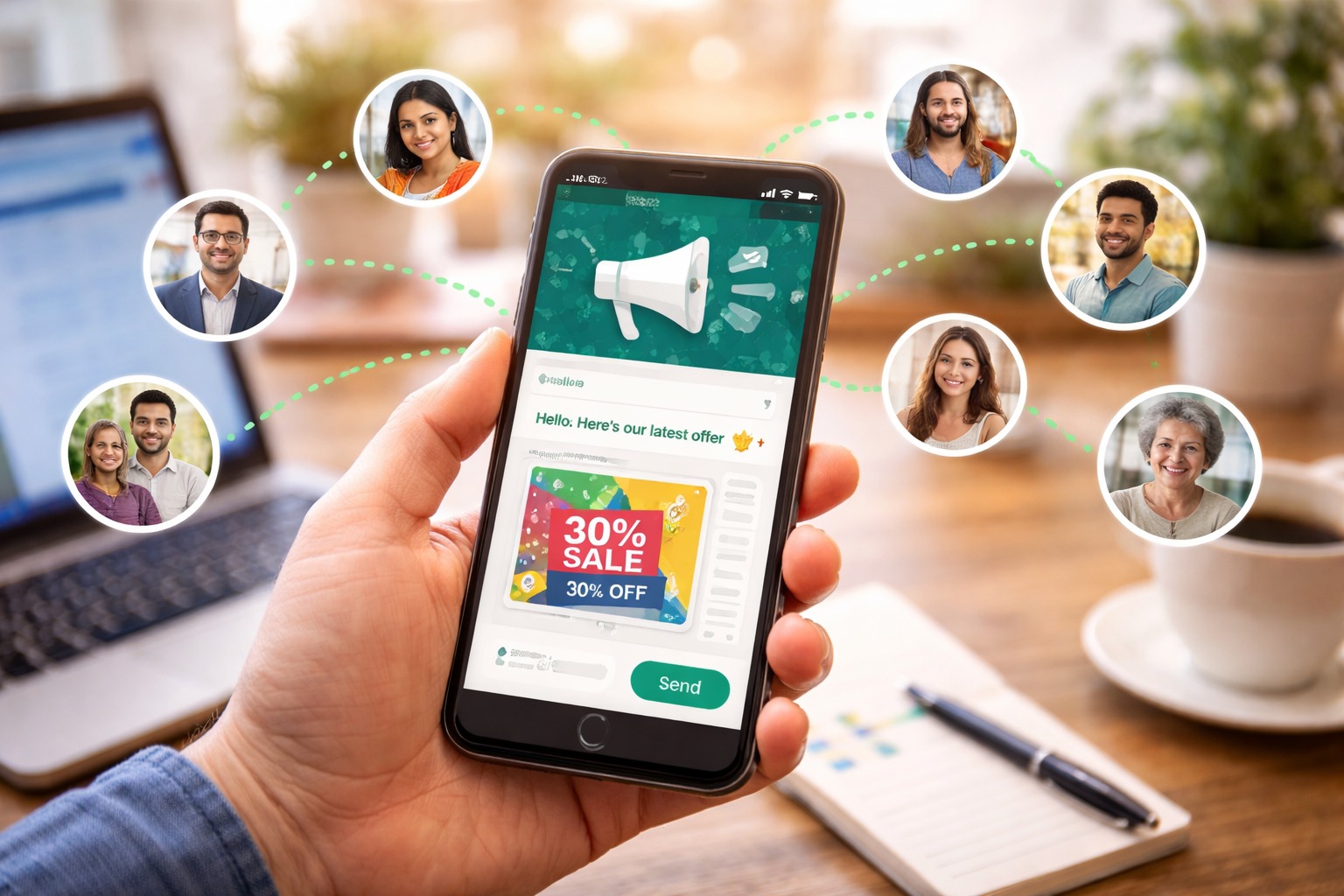
A WhatsApp broadcast is a feature where you send one message to multiple people at the same time, and each person receives it as a separate private message. It looks like you sent the message individually, but in reality, it is a mass communication sent to a list.
The important thing here is that recipients cannot see each other. They receive the message directly in their chat, and they can reply to you one-on-one. This makes broadcast different from groups, where everyone can see each other and conversations get messy.
Broadcast is useful when the message is the same for everyone and does not depend on past conversations. For example, if you want to share an offer, update, or announcement, broadcast helps you reach many leads quickly without manual effort.
What Is an Individual WhatsApp Follow-Up Message?
A follow-up is a continuation of a conversation with one specific person. It is not a one-time message. It is part of an ongoing interaction where the goal is to move the lead forward step by step.
Unlike broadcast, follow-ups are personal and context-based. You are replying based on what the person asked, what they showed interest in, and what stage they are in. It is always two-way communication, where the lead responds, asks questions, and expects clarity.
Follow-ups are where real sales happen. This is where you:
answer questions
handle objections
give clarity
guide next steps
Without proper follow-ups, most leads never convert because they forget, delay, or get distracted.
"Indian companies that implement timely follow-up messages within 24 hours see a 42% higher response rate. Delays beyond 48 hours drop the conversion likelihood by 35%."
— WhatsApp B2B Sales Behavior Study, India 2024
Why Is Using Broadcast for Hot Leads the Biggest Sales Mistake?
This is the biggest mistake businesses make when dealing with WhatsApp broadcast vs individual message.
If someone enquired about your product yesterday and you added them to a broadcast list and send a generic message, it immediately breaks trust. The lead feels like they are just another number in your list, not someone you actually care about.
From the lead's perspective, this creates confusion:
"I asked something specific, why am I getting a general message?"
"Did they even read my query?"
"Maybe they are not serious about helping me."
The moment this happens, conversion drops.
Sales is not just about sending messages. It is about making the lead feel understood. A broadcast message removes that feeling. That is why hot leads should never be treated like cold audiences.
When Should You Use WhatsApp Broadcast Messages in Sales?
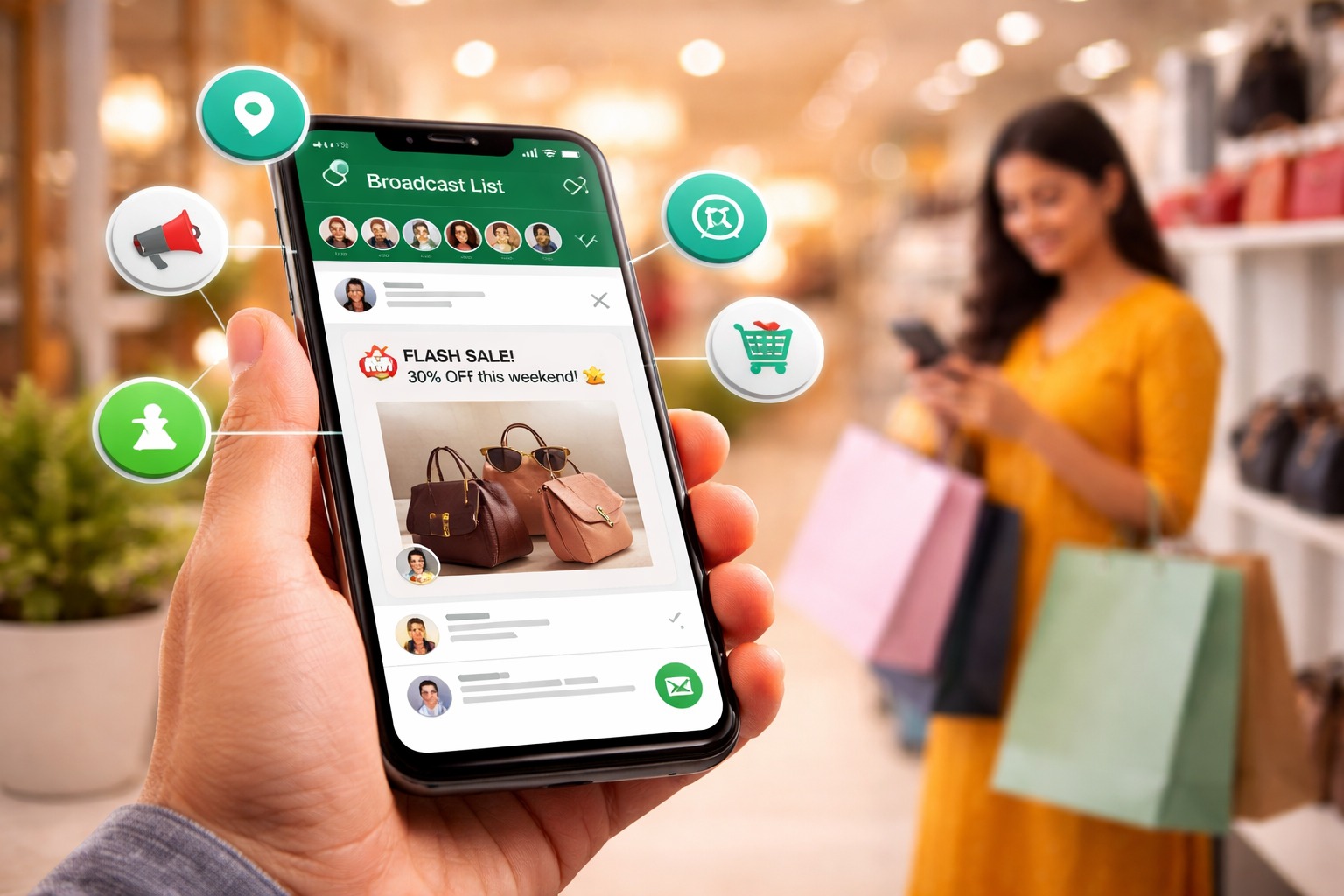
Broadcast messages work best when the goal is to communicate something general, not to close a deal. They are powerful when used in the right situations.
Use broadcast when:
Re-engaging cold leads who went silent for 30+ days
Announcing a new product, offer, or service
Sending a monthly nurture message to your full lead list
Sharing seasonal offers or reminders
Updating leads about events, launches, or changes
In these cases, the message does not depend on individual context. It is the same for everyone, and the goal is to restart conversations or spread awareness.
Broadcast is not for closing. It is for opening or reopening conversations.
When Should You Use Individual WhatsApp Follow-Up Messages?
Individual follow-ups should be used whenever the lead is actively engaged or has shown interest. This is where personalization matters the most.
Use individual follow-ups when:
After a first enquiry
After a call or demo
After sending a proposal or pricing
When the lead asks a question
Any time the lead is actively in conversation
This is where you need to guide the lead properly. A simple follow-up like:
"Just checking — did you get a chance to review the details?"
can bring the conversation back and move it forward.
Follow-ups are not about pushing. They are about helping the lead complete what they already wanted to do.
"In India's B2B sector, sales teams using a mix of broadcast for nurturing and individual messages for active leads achieve 156% higher close rates compared to teams using only one approach. The balance is critical."
— India WhatsApp Sales Strategy Benchmark, 2024
Also read: How to Qualify Leads on WhatsApp Before Sales Team Contact
How Should You Combine Broadcast and Follow-Ups in a 30-Day Plan?
To use WhatsApp broadcast vs individual message correctly, you need a simple structure. Below is a practical 30-day plan that balances both.
Day 0–2 (New Lead Stage)
Lead messages → reply individually
Ask questions → understand requirement
Share details → continue conversation
Day 3–7 (Follow-Up Stage)
Send 1–2 follow-ups
Answer doubts
Push for next step (call, demo, visit)
Day 8–15 (Engagement Stage)
If active → continue personal follow-up
If silent → send gentle reminder
Day 16–30 (Recovery Stage)
If lead goes cold → stop personal follow-ups
Move them to broadcast list
After 30 Days
Send broadcast message:
"We have something new — want me to share details?"If they reply → switch back to individual messaging
This system ensures:
no lead is ignored
no one feels spammed
conversations stay structured
How Does Kraya Manage Broadcast and Follow-Ups Together?
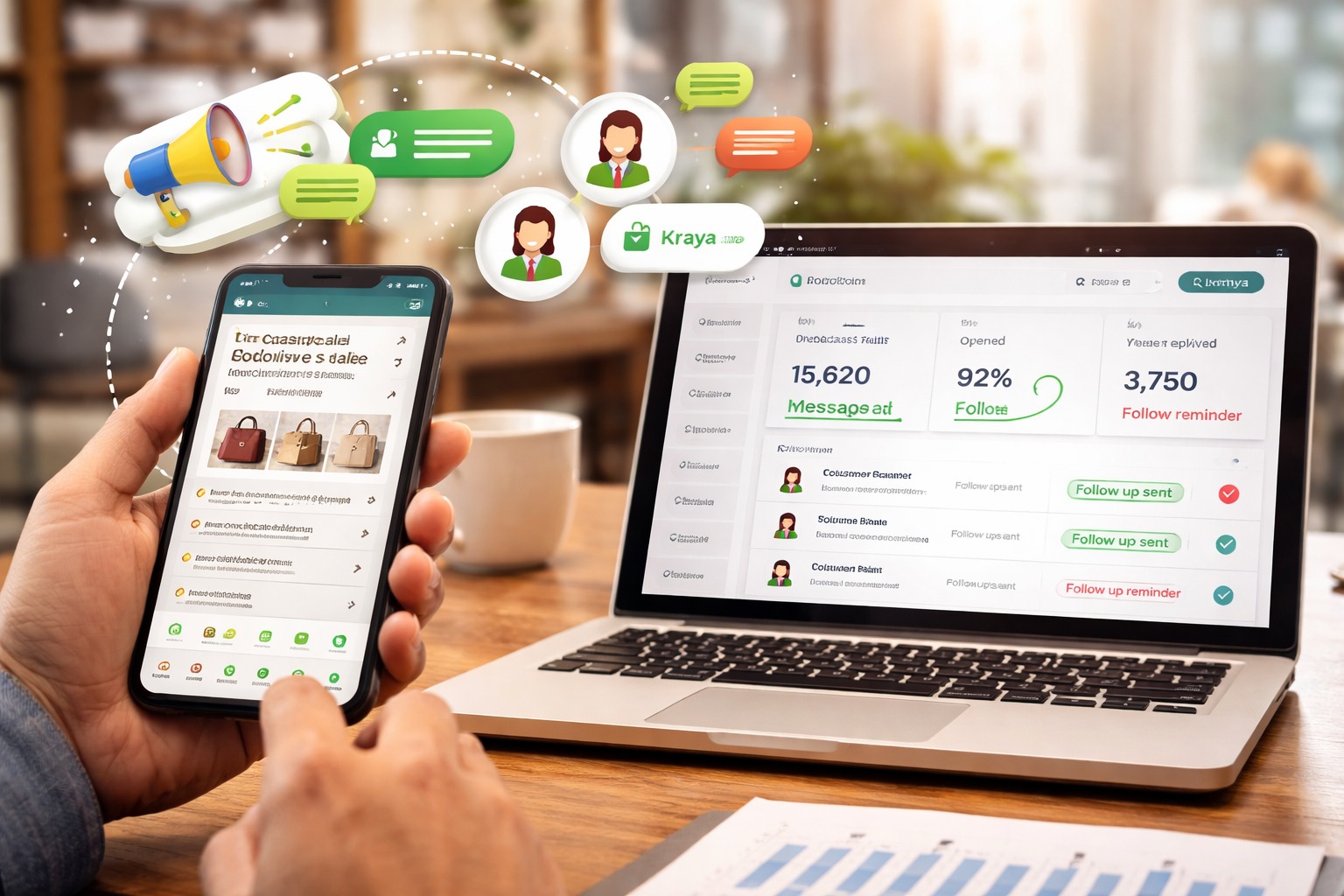
Managing both broadcast and follow-ups manually becomes difficult as your leads increase. This is where systems come in.
Kraya AI brings both broadcast and individual follow-ups into one place so your team does not have to manage everything manually. It ensures that every lead gets a reply, every follow-up happens on time, and no conversation gets lost.
With a structured system:
new leads get instant replies
follow-ups happen automatically
cold leads can be re-engaged through broadcast
conversations stay organized in one pipeline
This removes the biggest problems businesses face — slow replies, missed follow-ups, and scattered chats.
Related Blogs
Conclusion
The difference between WhatsApp broadcast vs individual message is simple but critical. Broadcast is for communication at scale. Individual messaging is for conversion. If you use broadcast in place of follow-ups, you lose trust. If you rely only on manual replies, you lose consistency. The real growth comes when you use both in the right place and at the right time.
Most businesses don't lose leads because of poor products. They lose leads because of broken conversations. Fix that, and your sales improve automatically.
For more on this topic, see our guide on WhatsApp vs Email for Sales: When to Use Each to Increase Conversions.
For more on this topic, see our guide on 15 WhatsApp Broadcast Message Templates That Get Replies.
For more on this topic, see our guide on How to Send WhatsApp Broadcast Messages: Complete Guide for Android, iOS & Web.
For more on this topic, see our guide on WhatsApp Broadcast: Complete Guide for Indian Businesses.
Before choosing broadcast, understand the WhatsApp broadcast message limits — especially the 256-contact cap. Need to set up your first list? Our step-by-step broadcast list creation guide covers Android and iPhone.
```Frequently Asked Questions

Written by
Founder & CEO, Kraya AI
Abhyank Srinet is the Founder and CEO of Kraya AI, a WhatsApp CRM and sales automation platform serving 600+ Indian businesses. He is also the founder of MiM-Essay, one of India's largest Masters admissions consulting firms.
More from Abhyank